Expanded Nursing Uganda Explanation
Classification of medicines and schedule of controlled medicines should be studied as a way of organizing medicines by therapeutic use, mechanism, chemical group, body-system effect and safety profile. For nursing practice, classification helps predict indications, adverse effects, contraindications and the observations required after administration.
01 Definition And Nursing Meaning
Classification of medicines and schedule of controlled medicines organizes medicines into groups according to their source, mechanism, therapeutic use, chemical structure, safety profile or body system effect. For a nurse, classification is not only a naming exercise; it helps predict indications, contraindications, common adverse effects and the observations required after administration.
In Diploma in Nursing (Direct) - DND 123: Medical Nursing (I) and Pharmacology (I), study this topic by asking three questions: what does the medicine or drug group do, what patient factors change its safety, and what must the nurse monitor before and after administration?
02 Core Concepts
- Therapeutic classification groups medicines by the condition they treat.
- Pharmacological classification groups medicines by how they act in the body.
- Chemical classification groups medicines with similar molecular structures.
- Nursing classification thinking links the drug group to assessment, patient education and monitoring.
03 Nursing Assessment Focus
- Confirm the patient diagnosis or reason for treatment before giving the medicine.
- Check allergies, previous reactions and current medicines from the same or related class.
- Identify class-specific risks such as bleeding, hypoglycaemia, respiratory depression, ototoxicity or renal impairment.
04 Safe Administration And Monitoring
- Use the medication rights and pause when the order, patient condition or available medicine does not match.
- Check high-risk medicines, unfamiliar doses and calculations with a competent colleague or prescriber according to local policy.
- Monitor the patient at the time the medicine is expected to begin working, not only at the end of the shift.
- Document the medicine, dose, route, time, relevant observations, patient education and response.
Escalate immediately if the patient develops breathing difficulty, collapse, severe allergic features, uncontrolled bleeding, marked confusion, convulsions or any rapidly worsening condition.
05 Nursing Process Application
- Assessment: identify why the medicine or drug group is needed, the patient's baseline condition, allergies, current medicines and risk factors.
- Planning: set a clear expected outcome, such as reduced pain, controlled blood pressure, improved infection signs or absence of adverse effects.
- Implementation: administer safely, explain the medicine in simple language and follow facility policy for high-alert medicines.
- Evaluation: compare the patient's response with the expected effect and report poor response, toxicity or serious adverse reactions.
In drug classification, the nursing process prevents medicine administration from becoming a mechanical task. It keeps the focus on whether the patient is safer and improving.
06 Patient Teaching
- Explain the purpose of classification of medicines and schedule of controlled medicines in language the patient can repeat back.
- Teach the dose schedule, missed-dose advice, storage instructions and warning signs that require review.
- Discourage sharing medicines, stopping treatment early or mixing medicines with unreported herbal or over-the-counter products.
- Encourage the patient to keep follow-up appointments and bring all current medicines for review.
Good medicine teaching is practical, respectful and specific to the patient's literacy, culture, resources and home situation.
07 Uganda Practice Notes
- Use generic medicine names where possible and confirm brand names carefully because different brands may contain the same active ingredient.
- Consider stock availability, affordability, storage conditions and referral options when planning patient education.
- Follow facility protocols for controlled medicines, cold-chain items, antibiotics, injections and emergency medicines.
- Report medicine incidents and near misses honestly so the system can become safer.
08 Study Wrap
- Revise classification of medicines and schedule of controlled medicines by linking the drug group, expected effect, adverse effects and nursing checks.
- Confirm baseline observations, contraindications, interactions and monitoring needs before administration.
- Connect patient teaching to safe self-administration, adherence, storage and follow-up.
- Escalate when the medicine should be held, the dose looks unsafe or the patient deteriorates.
09 Nursing Uganda Clinical Lens
Use Classification of medicines and schedule of controlled medicines as a practical nursing topic, not only a memorized definition. Study medicines through indication, safety checks, expected response, adverse effects and patient teaching.
- What to understand first: define classification of medicines and schedule of controlled medicines, identify the normal or expected pattern, then explain what changes when the patient is unwell.
- Why it matters in care: the nurse must recognize risk early, explain findings clearly, document accurately and know when to escalate.
- How to revise it: connect each point to assessment, nursing diagnosis or care problem, intervention, rationale and evaluation.
10 Assessment Guide
- Diagnosis or reason for the medicine, allergies, pregnancy status and previous reactions.
- Current medicines, herbal products, renal or liver risk and baseline observations.
- Dose, route, timing, dilution, expiry date and documentation requirements.
11 Nursing Priorities, Rationales and Outcomes
- Apply the rights of medication administration and facility policy.
- Monitor therapeutic response and class-specific adverse effects.
- Educate the patient on purpose, timing, missed doses, warning symptoms and adherence.
The rationale for these priorities is patient safety: nursing actions should prevent deterioration, reduce discomfort, support recovery and create clear evidence for the next caregiver.
- Expected outcome: The medicine produces the intended effect without preventable harm, and administration is accurately documented.
12 Patient Teaching and Revision Check
- Explain classification of medicines and schedule of controlled medicines in simple language the patient or caregiver can repeat back.
- Teach warning signs, medicine or follow-up instructions, hygiene or lifestyle points where relevant.
- For exams, prepare a short answer using: definition, causes or risk factors, signs, assessment, management, complications and prevention.
- For ward practice, document baseline findings, actions taken, patient response and the plan for review.
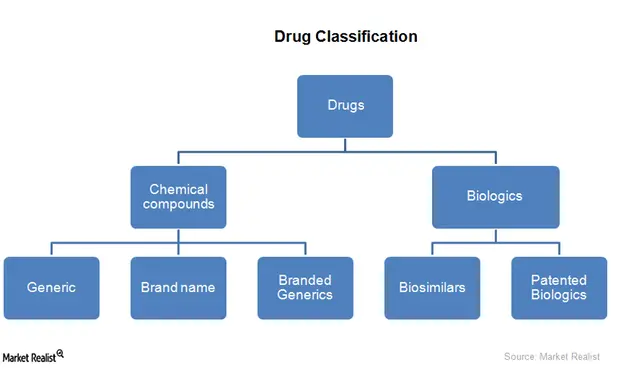
Illustrations and Diagrams (1)
Related Video Lectures
Watch nursing lecture videos on YouTube for this topic. Opens in a new tab.
Watch on YouTubeExternal link: YouTube may use its own cookies and terms. Nursing Uganda is not affiliated with YouTube.