Expanded Nursing Uganda Explanation
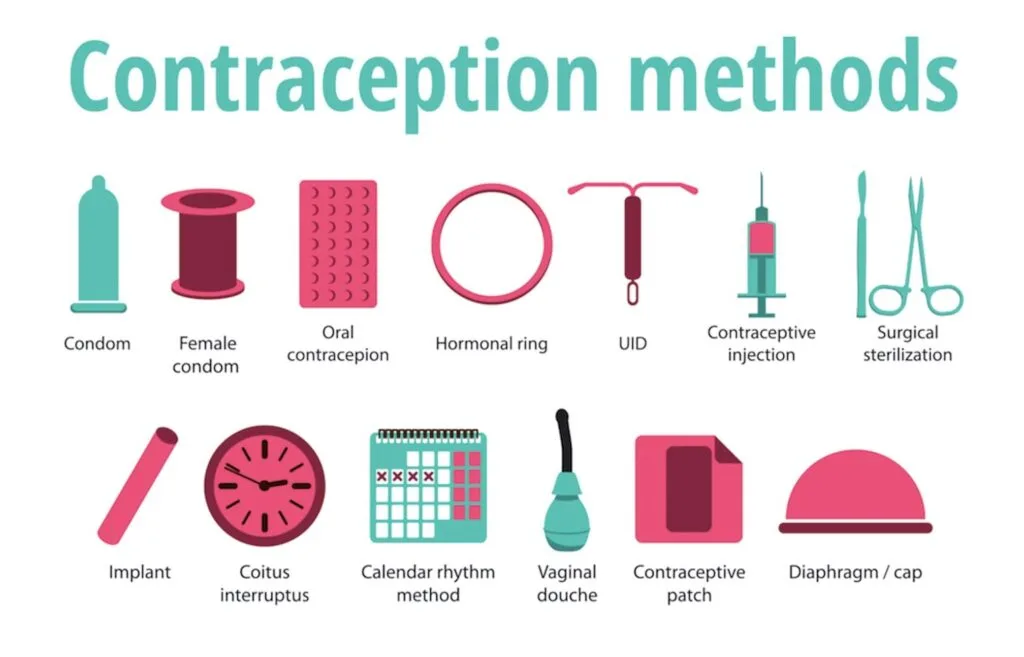
Methods of family planning should be understood beyond a short definition. Link the concept to patient history, focused assessment, common risks, nursing priorities, documentation and evaluation of outcomes.
01 Hormonal Methods of Family Planning
Hormonal family planning refers to the use of hormonal methods to prevent pregnancy. These methods involve the use of hormones, typically synthetic versions of those naturally produced by the body, to regulate a woman\’s menstrual cycle and prevent ovulation (the release of an egg from the ovaries). By preventing ovulation, hormonal methods make it difficult for sperm to fertilize an egg and thus prevent pregnancy.
These include;
- Oral contraceptive pills
- Implants
- Injectable contraceptive
- Emergency contraceptive pills
02 **Oral Contraceptive Pills**
- Ovrette
- microval
- They contain progesterone hormone
- They are recommended for breastfeeding mothers because they do not affect/suppress milk
- It acts mainly by making cervical mucus thick and viscous, thereby preventing sperm penetration
- Endometrium becomes atrophic so blastocyst implantation is also
- In about 2% ovulation is inhibited and 50% of women ovulate normally
- Highly effective
- Limited related side effects
- Protects against unwanted pregnancy
- Do not affect breastfeeding
- May decrease menstrual cramps
- May improve anemia
- Protects against ectopic pregnancy
- Pregnancy
- Unexplained vaginal bleeding
- Recent history of breast cancer
- Arterial diseases
- Thromboembolic diseases
- Active hepatic diseases
- Hypertension
- Amenorrhea
- Spotting
- Prolonged or heavy bleeding
- Lower abdominal pain
- Weight gain or lose
- Jaundice
- Nausea and vomiting
- Headache with blurred vision
- Excessive hair growth
- Breast fullness or tenderness
- High blood pressure
- This contains both oestrogen and It achieves effects of both hormones
- Oestrogen suppresses ovulation and progesterone creates unfavorable conditions for egg transport and thickening of the cervical mucus to impair sperm entrance into the canal.
- Lo-femenal
- Pillplan (duofen)
- Microgynon
Advantages
- Highly effective (99%)
- Protects against unwanted pregnancy
- It is convenient, simple to take and does not interfere with sexual intercourse
- Helps to correct menstrual irregularities
- Reduces risks of ovarian and endometrial cancers by 50%
- Decreased menstrual cramps
- Pelvic examination is not required before use
- Limited related side effects
- Quicker return of infertility
- Refer to pop Side effects
Side effects
- Chest pain
- Amenorrhea
- Spotting
- High blood pressure
- Nausea, dizziness & nervousness
- Acne
- Breast fullness & tenderness
- Depression
- Jaundice
- Headache
Types
- Implanon ( 1 rod capsule for effective 3 years)
- Jadelle (2 rod capsules for 5 years)
- Norplant ( 6 rod capsules labeled for 5-7 years)
Modes of action
- Thickens the cervical mucus 24 hours making it difficult for the sperm to enter the uterus.
- It inhibits ovulation from taking place.
- Very effective within 24 hours after insertion
- Easily reversible
- No delay to return to fertility after removal
- Make sickle cell crisis less frequent & less painful
- Highly effective for long term
- Others same as with Depo Provera
- Changes in menstruations Spotting
- Heavy bleeding (rare)
- Amenorrhea
- Does not protect against STIs including HIV/AIDs
- Discomfort in the hand after insertion
- Overweight or weight loss
- Minor surgical procedure required for insertion and removal.
- Breast feeding post-partum mothers
- Adolescents
- Post abortion
- Women with SCD
- Women waiting surgical contraception
- Women on treatment e. ARVs
- Serious problems with heart or blood vessels
- Breast cancer
- Liver diseases- jaundice
- Pregnancy
- Soreness at the site of insertion
- Capsules come out
- Severe headache
- Heavy bleeding twice as much and twice as long she usually bleeds
- Pregnancy
- Missed period after several regular period or cycles .
- Depo provera 150mg
- Injecta plan
- Sayana press 104mg, 65ml subcutaneously
- Noristrat 200mg intramuscularly
- Norigynon 5mg intramuscularly
They both contain only one type of hormones, progestin
****
- Inhibits ovulation
- Thickens the cervical mucus making it difficult for the sperm to enter the uterus
- It also makes the lining of the womb thinner. This makes it unlikely that a fertilized egg will be able to implant in the womb.
- Breastfeeding mothers 6 weeks after delivery or immediately if not breastfeeding
- Women requiring long term contraception
- Known/suspected HIV positive women who need an effective FP method
- Women with sickle cell disease
- Women who cannot use COC due to estrogen content
- Women awaiting surgical method of contraception
- As for POP
- Women without proven fertility unless they have HIV/AIDs
- Pregnancy (known or suspected)
- Liver disease (jaundice)
- Unexplained vaginal bleeding that has not be investigated
- Hypertension 140/90mmg and above
- Serious problem with the heart or blood loss
- Breast or genital malignancy (known or suspected)
- Women with bone thinning/osteoporosis (known or suspected)
- Very effective
- Does not suppress lactation
- Clients only has to remember the return dates for subsequent injection
- Private-no one can know that the woman is on it
- No estrogen side effects
- Make sickle cell crisis less frequent
- If you want to stop using it you don\’t have to go back to your doctor or nurse to have it removed; you just have to wait for it to wear off.
- It does not interfere with sex
- Changes in menstrual bleeding Spotting (common in the first 3 months)
- Amenorrhea (often after 1 st injection and after 9-12months of use)
- Prolonged heavy vaginal bleeding during 1 st 1-2 months after injection
- Weight gain or loss
- The injection cannot be removed once given. Any side-effects will last for more than 2-3 months, until the progesterone goes from your body.
- Delayed return of fertility
- Loss of lido
- Does not protect against STI/HIV/AIDs
- Alopecia
- Milk headache
- Repeated severe headaches
- Excessive weight gain
- Depression
- Prolonged abdominal pain and pain at injection site
- Heavy bleeding per vagina twice as much and twice as long as she usually bleeds
- Medroxyprogesterone acetate depot (Depo provera) Injection 150mg deep IM into deltoid or buttock muscle Do not rub the area as this increases absorption and shortens depot effect
If given after day 1-7 of menstrual cycle
- Advise client To abstain from sex or use a back-up FP method, e.g. condoms, for the first 7 days after injection
- To return for the next dose on a specific date 12 weeks after the injection (if the client returns more 2-4 weeks later than the date advised, rule out pregnancy before giving the next dose)
- On likely side effects
- To return promptly if there are any warning signs
****
- Sayana press ® is a single-dose container with 104mg Medroxyprogesterone acetate (MPA) in 0.65ml suspension (104mg) formulated for subcutaneous
- It is administered subcutaneously into the anterior thigh or abdomen or arm
- The efficacy of Sayana press depends on adherence to the recommended dosage schedule of administration.
- Its‘ main mechanism of action is to suppress ovulation
- It makes the endometrium unsuitable for implantation if fertilization occurs
- It also increases the viscosity of cervical mucus making the mucus less easily penetrable to sperm.
Nearly all women can use it safely & effectively including women:-
- Women whose partners have undergone vasectomy until vasectomy is effective
- Have or have not had children
- Any age including adolescents & women over 40 years old
- Have just had an abortion/miscarriage
- Breastfeeding women 6 weeks postpartum
- HIV infected whether or not on ART
- New formulation for S/C injection
- 30% low side effects compared to Depo-Provera
- Do not interfere with sex
- Private & no one else can tell that a woman is using it
- May help women gain weight
- Do not require daily action
- Prevents pregnancy
- Protects against endometrial cancer, uterine fibroids
- Reduces sickle cell crisis among women with sickle cell anemia
- Protects against symptomatic PID & iron deficiency aneamia
Sayana press is contraindicated in the following:-
- Clients with a known hypersensitivity to MPA
- Pregnancy (known or suspected)
- women with known or suspected malignancy of the breast or genital organs
- clients with undiagnosed vaginal bleeding
- patients with severe hepatic impairment
- patients with metabolic bone disease
- patients with thromboembolic disease
- patients with current or past history of cerebro-vascular disease
- Weight gain or loss
- Does not protect against STI/HIV/AIDs
- Delayed fertility return
- Hypersensitivity reactions
- Decreased/increased appetite
- Loss of libido & irritability
- Dizziness, headache & migraine
- Thromboembolic disorders
- Nausea & vomiting
- Jaundice
- Alopecia & urticaria
- Loss of bone mineral density
- Back & leg pains
- Mood changes
- Abdominal bloating & discomfort
- Loss of bone mineral density
- Menstrual irregularities
- Thromboembolic disorders
- Anaphylaxis & anaphylactoid reactions
- Sudden partial or complete loss of vision
**** Because male and female sterilization are permanent methods of contraception, thorough counseling procedures must be followed to ensure that the client fully understands his or her choice and to minimize chances of regret. Clients younger than 30 years old or with fewer than three children require particularly careful counseling and exploration of other long-term method options.
- Tubal ligation/tubectomy
- This is a voluntary surgical procedure for permanent termination of fertility in women.
- It can be done by a mini-operation (laparatomy/laparoscopy)
- Blocking fallopian tube by cutting, cautery, rings or clips
- Prevent sperms from reaching the ovum
**** In general, the majority of women who want tubal ligation can have a safe and effective procedure in a routine in a health facility equipped to provide the service, provided they have been counseled. They should also be able to give informed consent. Women who may consider tubal ligation include:
- Those who are certain that they have achieved their desired family size
- Women who want a highly effective permanent method of contraception
- Women for whom pregnancy presents unacceptable risk Family planning should be delayed in case of: Pregnancy
- Immediately/early postpartum if woman had severe pre-eclampsia/eclampsia, early rupture of membrane (EROM), sepsis etc.
- Complicated abortion (infection, hemorrhage)
- Current DVT
- Unexplained vaginal bleeding (before evaluation)
- Malignant trophoblastic disease
- Current PID or purulent cervicitis
- Current gall bladder disease
- Severe anemia
03 Nursing Uganda Clinical Lens
Use Methods of family planning as a practical nursing topic, not only a memorized definition. Combine safety, therapeutic communication, mental status assessment and dignity.
- What to understand first: define methods of family planning, identify the normal or expected pattern, then explain what changes when the patient is unwell.
- Why it matters in care: the nurse must recognize risk early, explain findings clearly, document accurately and know when to escalate.
- How to revise it: connect each point to assessment, nursing diagnosis or care problem, intervention, rationale and evaluation.
04 Assessment Guide
- Appearance, behaviour, speech, mood, thought process, perception, cognition and insight.
- Risk of self-harm, harm to others, neglect, withdrawal, substance use or relapse.
- Support systems, medication adherence, sleep, appetite and triggers.
05 Nursing Priorities, Rationales and Outcomes
- Maintain safety using the least restrictive approach possible.
- Use calm communication, active listening and non-judgmental observation.
- Support adherence, coping skills, family involvement and follow-up.
The rationale for these priorities is patient safety: nursing actions should prevent deterioration, reduce discomfort, support recovery and create clear evidence for the next caregiver.
- Expected outcome: Risk reduces, the patient engages with care, symptoms are monitored and a realistic safety or relapse plan is in place.
06 Patient Teaching and Revision Check
- Explain methods of family planning in simple language the patient or caregiver can repeat back.
- Teach warning signs, medicine or follow-up instructions, hygiene or lifestyle points where relevant.
- For exams, prepare a short answer using: definition, causes or risk factors, signs, assessment, management, complications and prevention.
- For ward practice, document baseline findings, actions taken, patient response and the plan for review.
Illustrations and Diagrams (1)
Related Video Lectures
Watch nursing lecture videos on YouTube for this topic. Opens in a new tab.
Watch on YouTubeExternal link: YouTube may use its own cookies and terms. Nursing Uganda is not affiliated with YouTube.