Expanded Nursing Uganda Explanation
Normal pregnancy should be reviewed through safe maternal and newborn assessment, early recognition of danger signs, respectful communication and timely referral. Connect the definition to vital signs, bleeding, fetal or newborn wellbeing, patient education and local protocol requirements.
Contents — 13 sections (tap to expand)
01 Definition And Midwifery Meaning
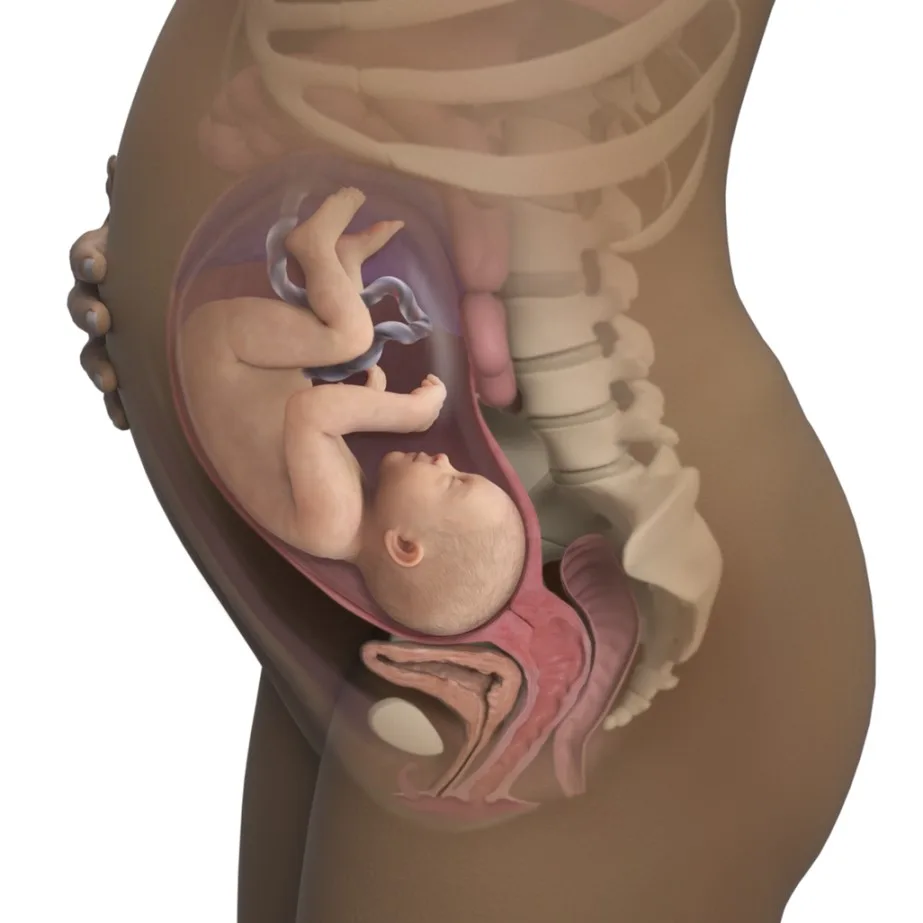
Normal pregnancy is studied in midwifery as part of safe care for the pregnant woman and fetus before birth. The midwife links normal pregnancy changes with screening, health education, respectful communication and early recognition of danger signs.
In Certificate in Midwifery - CM 212: Midwifery I & Pharmacology I, study normal pregnancy by asking what is normal, what requires closer observation, what requires urgent referral, and how the midwife should explain the situation respectfully to the woman and family.
02 Physiology And Clinical Link
- Pregnancy changes the cardiovascular, respiratory, renal, gastrointestinal, endocrine and musculoskeletal systems.
- Normal discomforts should be distinguished from symptoms that suggest anaemia, infection, hypertensive disease, bleeding or fetal compromise.
- Antenatal contacts are used to prevent complications, prepare the family for birth and connect the mother to timely referral when needed.
03 Assessment Focus
- Confirm gestational age, parity, previous pregnancy outcomes, current complaints, fetal movements and danger signs.
- Check blood pressure, pulse, temperature, pallor, oedema, urine findings where available, fundal height and fetal heart where appropriate.
- Assess nutrition, medicines, immunisation, HIV/syphilis testing status where relevant, malaria prevention, emotional wellbeing and family support.
04 Midwifery Management
- Provide respectful privacy, explain findings, document the visit and arrange the next contact or referral.
- Give health education on nutrition, rest, hygiene, birth preparedness, danger signs, medicines, malaria prevention and facility delivery.
- Escalate abnormal blood pressure, bleeding, severe abdominal pain, convulsions, fever, reduced fetal movement or severe anaemia signs.
05 Health Education
- Use simple, respectful language and confirm understanding with teach-back.
- Discuss danger signs, hygiene, nutrition, rest, medicines, follow-up visits and facility delivery or referral plans as relevant.
- Involve the chosen birth companion or family support person when the woman agrees.
- Adapt advice to transport, cost, literacy, language, culture and available services.
06 Danger Signs And Referral
Urgent danger signs include vaginal bleeding, severe headache, blurred vision, convulsions, severe abdominal pain, fever, foul discharge, severe breathlessness, swelling of face or hands and reduced fetal movements.
- Call senior help early when maternal or fetal condition is abnormal, progress is poor, bleeding is heavy, infection is suspected or the facility cannot provide the needed care.
- Keep the woman informed during referral preparation and document observations, treatment given and reason for referral.
07 Documentation And Handover
- Record date, time, history, observations, examination findings, care given, education, medicines and response.
- Use standard maternity records, antenatal cards, partograph or postnatal charts according to the stage of care.
- During handover, highlight risk factors, current observations, fetal or newborn status, medicines given and pending actions.
08 Uganda Practice Notes
- Follow facility maternity protocols, current Uganda Clinical Guidelines and referral pathways.
- Protect respectful maternity care: privacy, consent, non-abusive communication and support for the woman's choices where safe.
- Plan care with real-world barriers in mind, including distance, transport, cost, blood availability, medicine stock and family support.
- For emergency signs, stabilise within scope while arranging timely referral or senior review.
09 Study Wrap
- Revise normal pregnancy through the safety of the woman, fetus or newborn.
- Separate normal findings from abnormal findings that need immediate action.
- Connect first assessment actions to management priorities, documentation and handover.
- Use clear health education, danger-sign advice and referral triggers for the woman or family.
10 Nursing Uganda Clinical Lens
Use Normal pregnancy as a practical nursing topic, not only a memorized definition. Read the topic through the safety of two patients: the mother and the fetus or newborn.
- What to understand first: define normal pregnancy, identify the normal or expected pattern, then explain what changes when the patient is unwell.
- Why it matters in care: the nurse must recognize risk early, explain findings clearly, document accurately and know when to escalate.
- How to revise it: connect each point to assessment, nursing diagnosis or care problem, intervention, rationale and evaluation.
11 Assessment Guide
- Maternal vital signs, bleeding, pain, contractions, uterine tone and danger signs.
- Fetal or newborn wellbeing, feeding, temperature, breathing and activity.
- History of pregnancy, parity, medications, allergies, investigations and referral risks.
12 Nursing Priorities, Rationales and Outcomes
- Recognize danger signs early and escalate without delay.
- Provide respectful communication, privacy, infection prevention and clear documentation.
- Teach the mother what to monitor at home and when to return urgently.
The rationale for these priorities is patient safety: nursing actions should prevent deterioration, reduce discomfort, support recovery and create clear evidence for the next caregiver.
- Expected outcome: Mother and baby remain stable, danger signs are acted on early, and the family understands follow-up instructions.
13 Patient Teaching and Revision Check
- Explain normal pregnancy in simple language the patient or caregiver can repeat back.
- Teach warning signs, medicine or follow-up instructions, hygiene or lifestyle points where relevant.
- For exams, prepare a short answer using: definition, causes or risk factors, signs, assessment, management, complications and prevention.
- For ward practice, document baseline findings, actions taken, patient response and the plan for review.
Illustrations and Diagrams (7)


Related Video Lectures
Watch nursing lecture videos on YouTube for this topic. Opens in a new tab.
Watch on YouTubeExternal link: YouTube may use its own cookies and terms. Nursing Uganda is not affiliated with YouTube.